
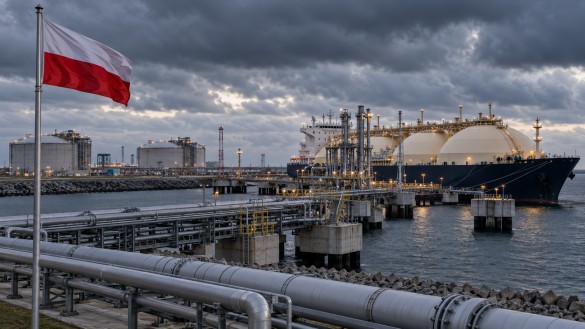
Poland’s Finance Minister Andrzej Domański has firmly dismissed the possibility of resuming normal economic relations with Russia, including the import of Russian energy, while urging European nations to focus on bolstering energy security and economic independence. Speaking at the Polish-German Economic Forum in Warsaw on Monday, Domański emphasized the importance of learning from the past, particularly in the aftermath of Russia’s invasion of Ukraine in 2022.
Domański’s remarks come in response to some political factions in Germany advocating for improved relations with Russia to regain access to cheaper energy imports. Before the conflict in Ukraine, Germany was heavily reliant on Russian natural gas and other energy resources. Following the invasion, Germany, along with other European countries, took steps to reduce dependency on Russian energy to curb Moscow’s revenues.
Despite these efforts, Domański stressed that Poland is not in favor of returning to pre-invasion economic ties with Moscow. Instead, he urged European nations to maintain a firm stance toward Russia and prioritize building a resilient economy that can withstand geopolitical uncertainties.
In addition to his comments on Russia, Domański highlighted the necessity of strengthening Poland’s relationship with Germany to collaboratively tackle geopolitical, technological, and strategic challenges. He called for measures to reduce bureaucracy, develop competitive energy markets, encourage technological advancement, and pursue responsible deregulation.
According to Domański, economic growth should not come at the expense of security, and Europe must enhance its economic resilience and energy independence to remain competitive on the global stage. His statements underline Poland’s position that a cautious and strategic approach toward Russia is essential for Europe’s long-term security and stability.