
In a bid to foster healthier living spaces, health experts urge individuals to evaluate the everyday products that populate their homes. Items commonly found in kitchens, living rooms, and refrigerators may inadvertently lead to unhealthy habits or expose individuals to undesirable chemicals. Experts suggest replacing these products with safer alternatives when available to mitigate potential health risks.
Sugary soft drinks are one such item that experts recommend keeping out of the home. Regular consumption of these sugar-laden beverages can lead to excessive sugar intake, linked to various long-term health issues. Similarly, processed meats like bacon, sausages, and hot dogs are classified as carcinogenic by the World Health Organization. Reducing their presence in the diet can contribute to healthier eating patterns.
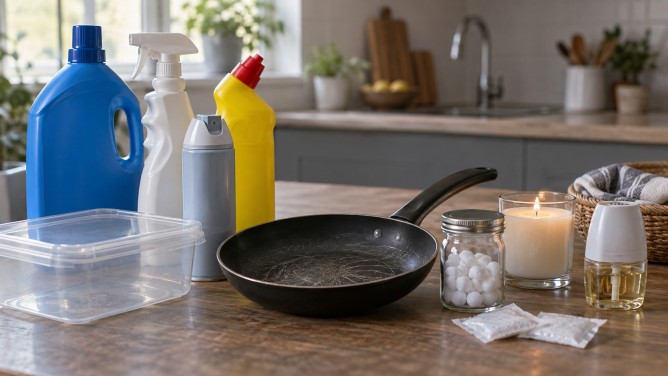
Tobacco and vaping products are another concern, as they continue to be leading preventable causes of disease and cancer. Eliminating these items from living areas can decrease exposure and discourage habitual use. In the kitchen, scratched non-stick cookware poses a risk as damaged coatings may deteriorate over time. It is advisable to replace such cookware to ensure safety while cooking.
Additionally, plug-in air fresheners, which merely mask odors, can react with indoor pollutants to form new compounds. A more effective approach involves ventilating spaces and removing odor sources. Kitchen hygiene can also be improved by replacing heavily worn plastic cutting boards, as knife use can release tiny plastic particles over time.
Other items to reconsider include highly sweetened breakfast cereals and repeatedly reheated cooking oil. Cereals with significant added sugars may appear nutritious but are not ideal for a healthy start to the day. Opting for whole-grain, lower-sugar alternatives can be beneficial. Reusing cooking oil excessively can lead to the production of harmful compounds; thus, using fresh oil when possible is a safer cooking practice. By making small adjustments to household products and routines, individuals can support healthier habits over the long term.