
Embracing a healthier diet doesn’t necessarily mean relying on costly superfoods or intricate meal plans. Everyday kitchen ingredients can significantly enhance your well-being. By opting for fresh and minimally processed foods, you can create meals that are not only nutritious but also well-balanced.
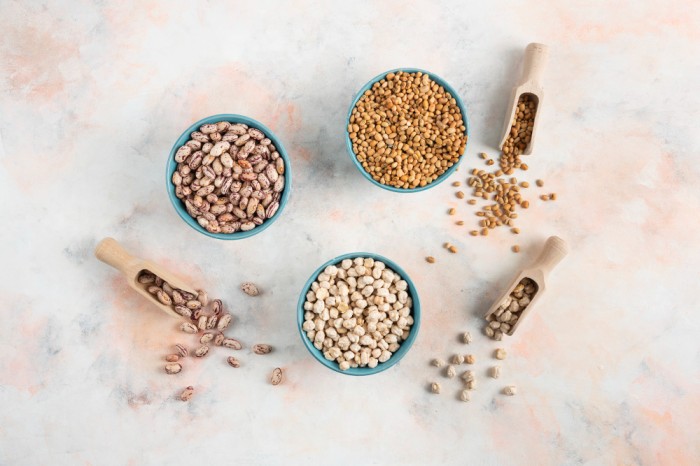
Among the staples that deserve a place in your kitchen are pulses like dal, rajma, and chana. These are excellent sources of plant-based protein, fiber, and essential nutrients. Choosing less processed versions helps maintain their natural nutrition, aiding digestion, promoting satiety, and contributing to a balanced diet. Whole wheat flour is another common ingredient that can make a difference. Its quality is crucial, as less refined flour retains more fiber and nutrients compared to its highly processed counterparts, adding both variety and nutritional value to daily meals.
Spices play a dual role in the kitchen, enhancing flavor while offering health benefits. Freshly ground spices such as turmeric, cumin, coriander, and black pepper provide superior taste and aroma over older or heavily processed options. Meanwhile, the type of cooking oil you choose can impact meal quality. Oils that are wood-pressed and traditionally extracted, with minimal processing, are often preferred for maintaining their natural flavor and characteristics. Using these oils in moderation can support a balanced diet.
Millets, including sorghum, have been integral to traditional diets for generations. Rich in fiber and nutrients, sorghum can be incorporated into dishes like rotis and porridge, adding diversity and improving dietary balance. Good health often stems from simple, everyday choices. By selecting fresh grains, pulses, spices, and cooking ingredients, you can prepare meals that are both nourishing and satisfying.