
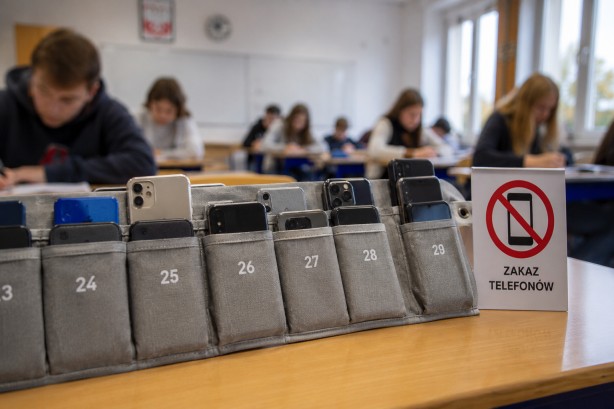
In a significant move set to reshape the educational environment in Poland, President Karol Nawrocki has approved a legal amendment that will enforce a comprehensive ban on the use of mobile phones and other electronic communication devices within schools and kindergartens. This new policy is scheduled to take effect on September 1, 2026, and will apply to both public and private educational institutions across the nation.
The legislation targets students in primary schools, prohibiting the use of these devices not only during lessons but also throughout breaks and any school-related activities, including those conducted off-campus. In addition to primary school students, preschool children will also be subject to this ban, which restricts them from bringing or using such devices during educational and care activities.
Despite the broad scope of the ban, the amendment does allow for specific exceptions. Students will be permitted to use electronic devices during classroom learning if they are deemed necessary for educational purposes. Furthermore, the use of such devices will be allowed during assessments, in emergencies, and for parental contact when required. The law also makes provisions for students who have medical conditions, disabilities, or other special educational needs, permitting the use of electronic devices with the approval of school authorities.
This legislative change underscores a growing trend towards minimizing digital distractions in educational settings, aiming to create a more focused and engaging learning environment. By implementing these restrictions, the Polish government is taking a firm stance on the role of technology in schools, aligning with similar initiatives seen in other countries that seek to balance the benefits of digital tools with the need for traditional learning approaches.