
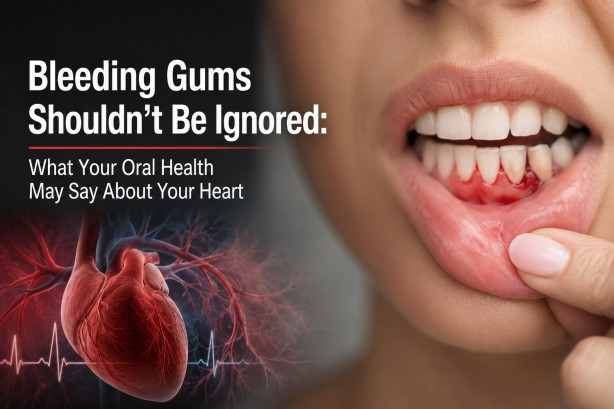
Repeated gum bleeding, often dismissed as a trivial dental issue, can actually signal gum inflammation that warrants attention. The link between oral health and overall health is significant, with recent studies probing the connection between gum disease and cardiovascular conditions. Scientists have observed associations between periodontal disease and various heart-related issues such as heart disease, heart failure, and irregular heart rhythms. Although gum disease isn’t a direct cause of heart attacks or cardiovascular events, both share common biological pathways, particularly chronic inflammation and certain risk factors.
Gum disease arises when bacteria and plaque ignite inflammation in the tissues surrounding the teeth. Persistent inflammation, however, can extend beyond the mouth. Inflammation of the gums can allow bacteria from the mouth to enter the bloodstream, and oral bacteria have been discovered in arterial plaque, spurring interest in the link between oral and cardiovascular health. Chronic inflammation stands out as another potential link, as it can affect blood vessels and is tied to processes that contribute to the progression of cardiovascular disease. Thus, ongoing gum problems should not merely be seen as a cosmetic issue.
Bleeding gums often serve as a warning sign for gum disease. Healthy gums should not consistently bleed during brushing or flossing, though occasional bleeding may happen, especially for those new to flossing or using excessive force while brushing. Repeated bleeding could signal plaque buildup or gum disease, and it may be accompanied by symptoms like swollen or tender gums, persistent bad breath, gum recession, and loose teeth. Ignoring these signs could allow gum inflammation to advance, potentially leading to severe dental problems.
Practicing good oral hygiene is a straightforward way to maintain healthy teeth and gums. This includes brushing teeth twice daily with a soft-bristled toothbrush and fluoride toothpaste, flossing daily to clean between the teeth, and scheduling regular dental checkups to detect gum inflammation and other oral health issues early. While oral hygiene is crucial for preventive healthcare, it’s important to complement it with measures that safeguard cardiovascular health, such as managing blood pressure and cholesterol, staying active, eating a balanced diet, and avoiding smoking.
If you experience frequent gum bleeding or notice ongoing swelling, pain, or other changes in your mouth, it’s advisable to have them evaluated by a dental professional. Addressing these issues promptly can prevent the progression of gum disease and support overall health.