
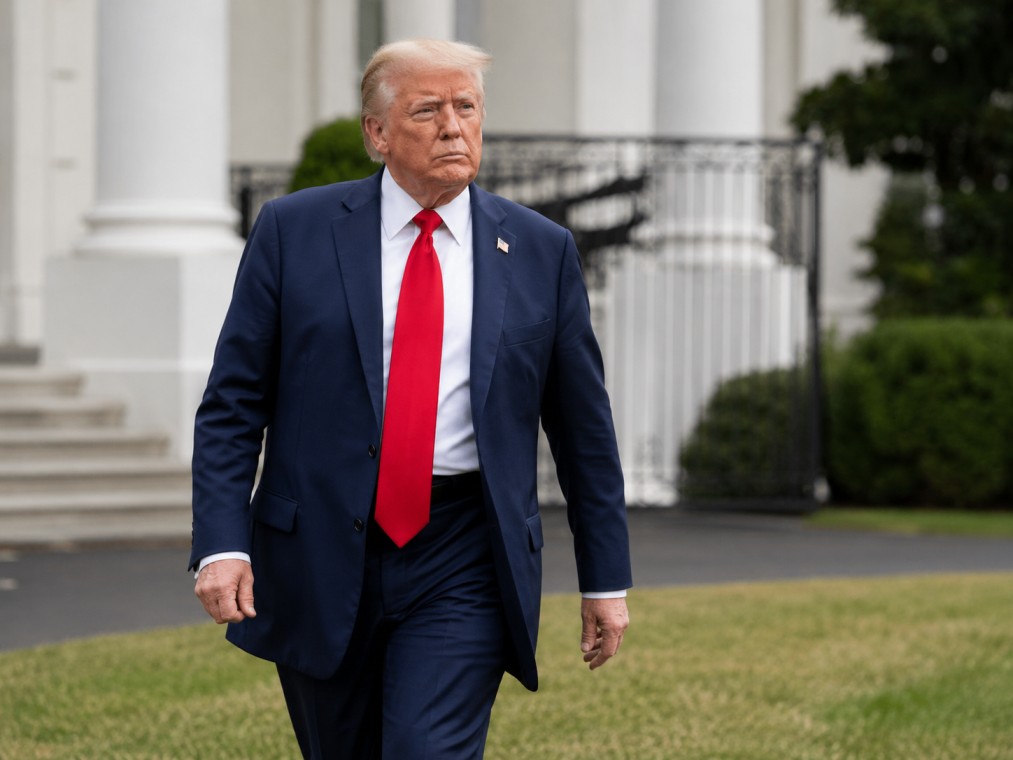
Tensions between the United States and Iran have sharply escalated as President Donald Trump announced the end of the ceasefire agreement with Tehran. Speaking at the NATO Summit, Trump stated that negotiations with Iran are no longer worthwhile, hinting at the possibility of further military action by the United States. This declaration follows a series of US military strikes targeting Iranian military assets.
The latest round of US attacks focused on a variety of Iranian military capabilities. According to the US military, the targets included air defense systems, command-and-control networks, coastal radar sites, anti-ship missile systems, and numerous Islamic Revolutionary Guard Corps (IRGC) boats operating near the strategic Strait of Hormuz. The strikes were reportedly a response to attacks on three commercial vessels navigating through this crucial maritime route.
In retaliation, Iran launched attacks against US military facilities in Bahrain, Kuwait, and other locations in the Gulf, escalating fears of a broader regional conflict. The exchange of military actions has not only heightened tensions but also jeopardized the ceasefire framework that had been in place, raising significant concerns over the security of the Strait of Hormuz, a vital corridor for global oil supplies.
The situation presents a complicated challenge for international diplomacy, as the Strait of Hormuz is a critical passage for energy shipments worldwide. The renewed hostilities underscore the fragility of peace efforts and the potential for a wider conflict that could disrupt global trade and energy markets.