
President Emmanuel Macron has formally stated that it is his duty “to assume the role and responsibility of France” in the violent suppression of Cameroon’s independence, a direct acknowledgment of a colonial war. This admission was communicated in a letter to Cameroonian President Paul Biya, marking a pivotal moment in the two countries’ shared history.
The acknowledgment stems from the findings of a joint Franco-Cameroonian commission. Its historians concluded that a war was indeed waged in Cameroon from 1945 to 1971, involving brutal repression by French forces and their allies. The conflict, which cost tens of thousands of lives, saw the assassination of key nationalist figures like Ruben Um Nyobè.
This move signals a break from France’s past policy of downplaying the brutalities of its colonial empire. It occurs in a new geopolitical context where France’s influence in Africa is waning and historical grievances are fueling anti-French protests. Macron’s government appears to be making strategic concessions to address this sentiment.
Yet, by omitting a formal apology or mention of reparations, the French government leaves the process of reconciliation incomplete. For Cameroon, the path forward involves what activist Blick Bassy calls “national mourning” and the difficult work of finding and identifying victims in mass graves, ensuring that those who died for the nation are properly honored.
“The Role and Responsibility of France”: Acknowledgment of Colonial War in Cameroon
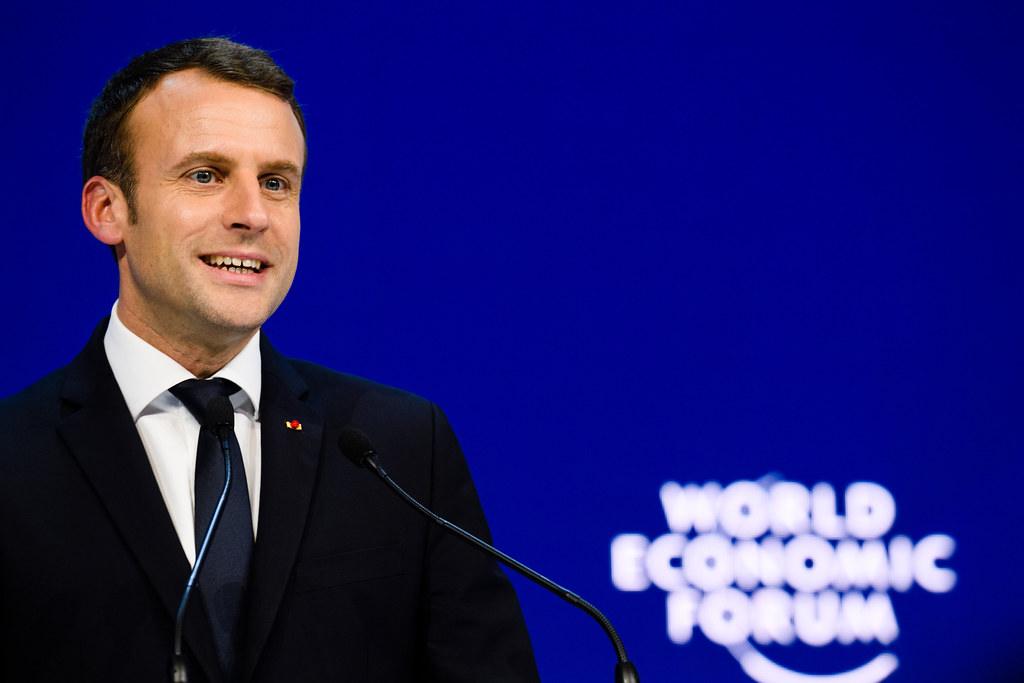
Picture Credit: www.flickr.com
108