
A recent Cochrane review has cast doubt on the efficacy of much-anticipated Alzheimer’s treatments, specifically amyloid-targeting biological drugs. This analysis, produced by a highly esteemed medical evidence institution, indicates that these drugs fail to provide substantial clinical benefits, while posing significant costs and risks of severe side effects. In light of these findings, Czech-based H2 Global Group has proposed a patented alternative involving molecular hydrogen to the governments of the European Union’s 27 member states.
Published on April 16, 2026, the Cochrane review scrutinized anti-amyloid monoclonal antibodies used in patients with mild cognitive impairment and mild Alzheimer’s-related dementia. The study compiled data from 17 clinical trials, including over 20,000 participants, concluding that the drugs’ effects are “trivial” and do not meet the threshold for meaningful clinical benefit. Furthermore, the review points to an increased occurrence of brain swelling and microhemorrhages. Lead author Francesco Nonino from the IRCCS Institute of Neurological Sciences in Bologna emphasized the need for Alzheimer’s research to explore alternative mechanisms beyond amyloid pathways.
Media outlets and experts have reacted strongly to these revelations. The Guardian and Scientific American described the drugs’ effects as “trivial,” while The New York Times highlighted the intense debate over their clinical value. The BBC suggested that patients are unlikely to benefit, and the UK’s Mirror called the findings a “bombshell.” Experts like Professor Robert Howard from University College London have criticized the overly optimistic presentation of these drugs to families, and Professor Paresh Malhotra of Imperial College London urged a shift in research focus beyond the amyloid pathway. With annual treatment costs at around €77,000 ($82,000 USD) per patient, several European countries face challenges in reimbursing these drugs.
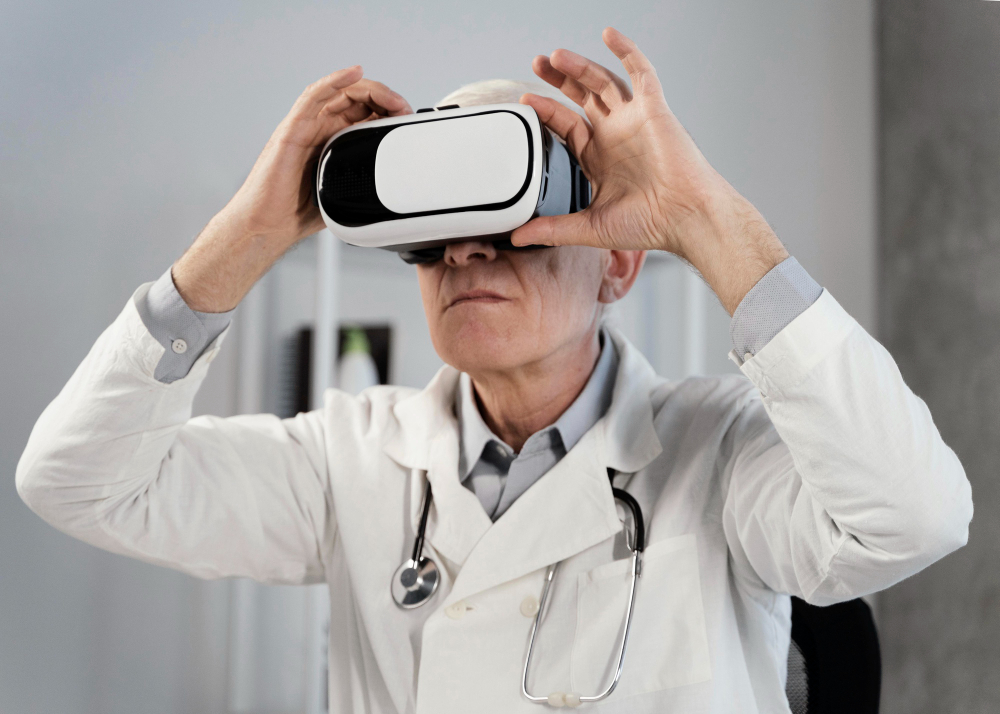
In response to the limitations of current Alzheimer’s treatments, H2 Global Group has sent a proposal to EU leaders, promoting a combination of molecular hydrogen therapy and VR cognitive rehabilitation. This approach, developed with a VR company whose solution is already used in over 40 European hospitals, targets oxidative stress and neuroinflammation. Supported by a patent titled “Prophylactic or Therapeutic Agent for Dementia,” H2 Global’s strategy is based on the work of Professor Shigeo Ohta, whose research demonstrated hydrogen’s therapeutic antioxidant effects.
David Maršálek, CEO of H2 Global Group, sees a pivotal opportunity for the Czech Republic to lead a significant shift in addressing dementia. With a clinical study already underway and regulatory approvals in place, Maršálek envisions a pan-European collaboration that could result in the largest clinical study of its kind, offering a safer, more accessible treatment for millions of patients and their families. He stresses the urgency of action, suggesting that this innovative approach could effectively tackle one of the 21st century’s greatest health challenges.