
The death of a Supreme Leader who ruled for nearly forty years has sent shockwaves through an already fragile Iranian economy. While the military remains intact, the “deep uncertainty” mentioned by analysts has caused a predictable spike in the price of gold and a further drop in the value of the rial. Investors and citizens alike are bracing for what comes next.
The IRGC, which controls a massive portion of the Iranian economy—from construction to telecommunications—is expected to consolidate its financial grip during the transition. As they gain more political power, they will likely prioritize military spending and “resistance economy” measures to weather the storm of potential new sanctions or continued conflict.
For the average Iranian, the political drama at the top is secondary to the immediate concern of rising prices. The disillusionment seen in recent months is largely driven by economic mismanagement and the crushing weight of international sanctions. The leadership transition does little to address the fundamental issues of inflation and unemployment that plague the nation.
Trade in the Persian Gulf remains a major concern for the global economy. With the IRGC committed to continuing the conflict, the risk of disruptions to oil shipping routes is at an all-time high. The “military and security institutions” are staying their course, which means the region remains on the brink of an economic and literal war.
The succession process will eventually bring a new leader, but whether that leader has an economic plan remains to be seen. If the new administration doubles down on military spending at the expense of social welfare, the “resentment” noted among the public could boil over into more than just social media posts. The economy is the ticking time bomb the new leader will inherit.
Markets in Mourning: The Economic Fallout of the Leadership Crisis in Iran
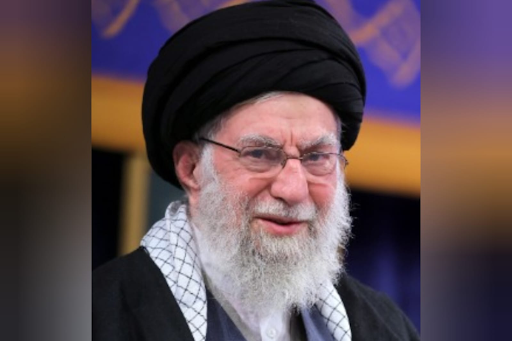
Photo by khamenei.ir, via wikimedia commons
10