
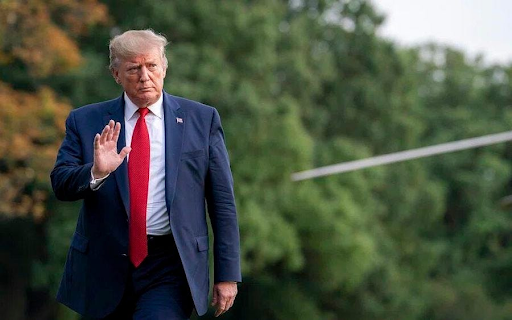
President Donald Trump’s multi-city diplomatic push for Ukraine-Russia peace intensified Thursday with a direct Oval Office warning to Ukraine about the risks of delayed negotiations, coming just days before his envoys engage Russian officials in Miami. Trump emphasized that Russia’s current positions in talks are subject to change, particularly if Ukraine takes extended time to reach decisions, framing the negotiation as operating within a narrow and potentially closing window of opportunity.
Trump’s Oval Office warning represents the Washington component of a broader geographic strategy that has seen his envoys travel from Berlin consultations with Ukrainian officials to upcoming Miami meetings with Russian representatives. This multi-city approach reflects both the complexity of the negotiation and the administration’s commitment to intensive engagement with both parties. By adding his own presidential voice from the White House, Trump elevates the diplomatic effort while applying direct pressure on Ukraine to accelerate decision-making.
Steve Witkoff and Jared Kushner will continue the multi-city diplomatic push this weekend with Miami meetings focused on engaging Russian officials. Having recently completed two intensive days of consultations with Ukrainian representatives in Berlin, the envoys bring comprehensive understanding of Ukrainian positions and priorities to their discussions with Moscow. The succession of meetings across Washington, Berlin, and Miami demonstrates the geographic scope of diplomatic efforts aimed at ending the conflict.
Ukrainian President Zelensky and US officials have offered generally positive assessments of recent negotiating rounds, though specifics remain closely guarded. However, Ukraine’s fundamental position on territorial questions has been publicly stated repeatedly: no peace settlement will involve Ukrainian recognition of Russian sovereignty over any Ukrainian territory. Ukrainian leadership has been particularly emphatic about the Donbas region, which has been central to the conflict since 2014 and where Russia has pursued intensive military and political efforts to establish control.
Russia’s negotiating demands directly contradict Ukraine’s non-negotiable positions on territory. Moscow currently exercises control over Crimea, annexed in 2014, and substantial portions of Donetsk, Luhansk, Zaporizhzhia, and Kherson, occupied during the 2022 invasion. Beyond seeking Ukrainian recognition of these territorial changes, Russia insists on complete Ukrainian military withdrawal from the entire Donbas region, including areas currently under Kyiv’s control. US officials familiar with the negotiations report that Russian delegates have shown minimal willingness to compromise on these territorial requirements. Trump’s multi-city diplomatic push—from the Oval Office to Berlin to Miami—reflects the administration’s intensive efforts to broker peace, yet the geographic scope of these efforts confronts the reality that the fundamental obstacle is not insufficient engagement but rather mutually exclusive core positions on territory that transcend any particular negotiating venue.
From Oval Office to Miami: Trump’s Multi-City Push for Ukraine-Russia Peace
Picture Credit: www.rawpixel.com
43
previous post