
The seven American service members killed by Iranian drones in the current Middle East conflict share something in common: they were defending bases that Ukraine had specifically recommended protecting with interceptor drone systems nearly a year before the attacks occurred. The US had the warning. It had the offered solution. It chose neither.
Ukraine’s specific expertise in countering Shahed-type drones comes from prolonged operational experience. Russia deployed Iranian-designed attack drones against Ukraine throughout its war, testing and refining them against Ukrainian defenses. Kyiv responded by developing counter-drone systems that are effective, inexpensive, and specifically calibrated for the characteristics of Shahed-type weapons.
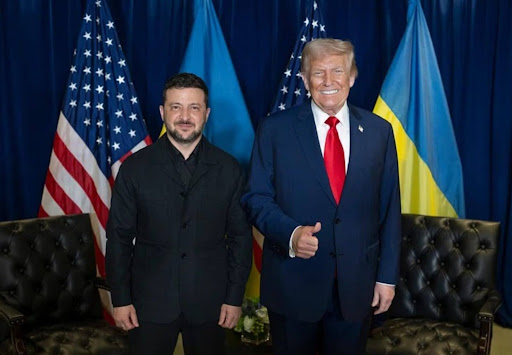
The August White House meeting was Ukraine’s formal attempt to transfer this capability to the United States. The briefing included a regional defense plan, specific location recommendations for drone combat hubs, and a predictive warning about Iran’s advancing drone program. Every element of that warning has since been validated by events.
US officials have acknowledged the failure. One described it as the most significant tactical mistake made in the lead-up to the current conflict. The inability to translate Trump’s apparent interest in the proposal into departmental action — combined with skepticism about Ukraine’s motives — left American forces without the defenses they needed.
Ukraine is now providing those defenses retroactively. Specialists deployed to Jordan within 24 hours of the US request. Parallel missions are active in Gulf states. The interception architecture that Kyiv proposed in August is being built today. It cannot bring back the seven soldiers who died in the gap between what was offered and what was accepted.
Iran Killed Seven Americans With the Drones Ukraine Warned Washington About
Picture Credit: Rawpixel (Public Domain / CC0)
7