
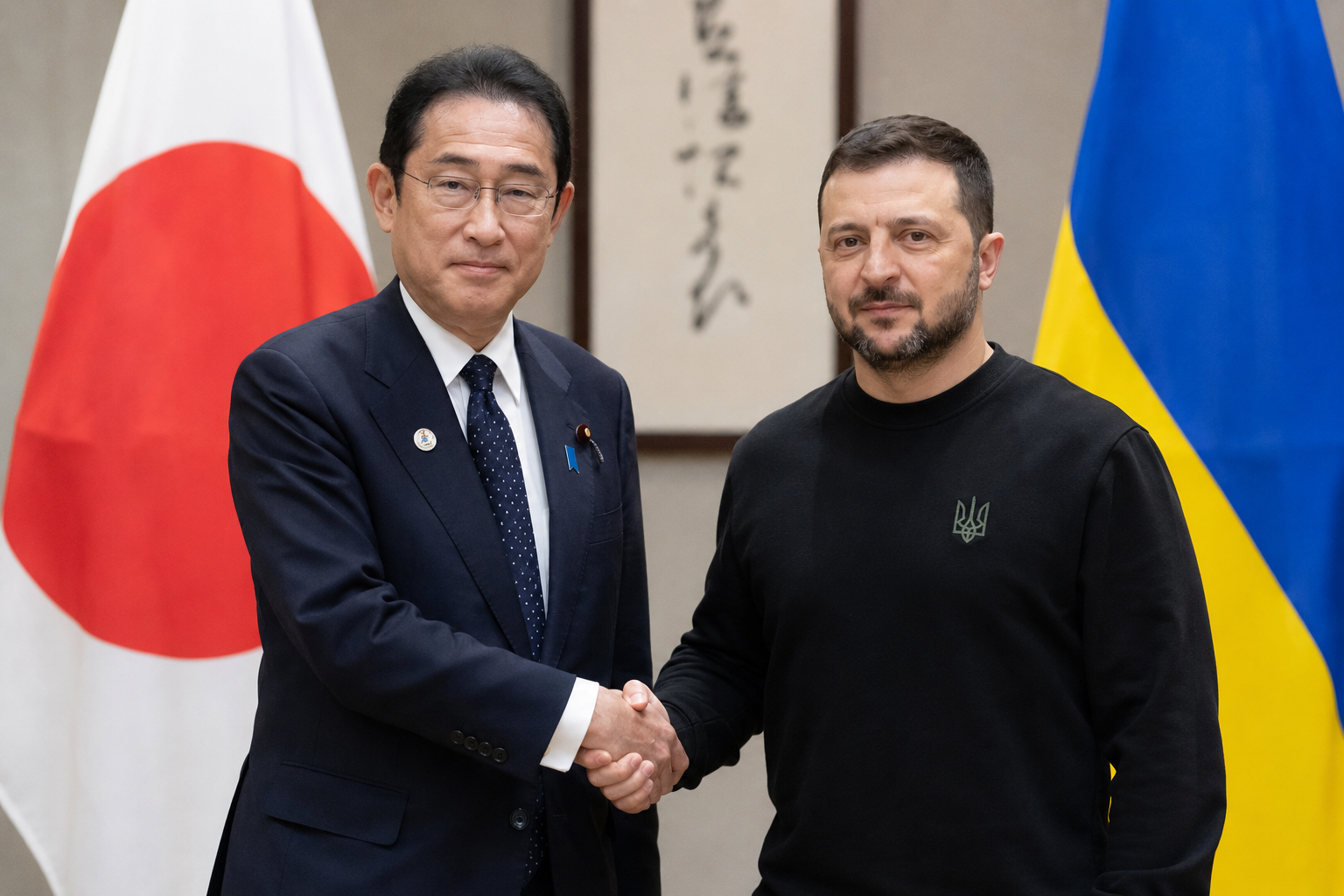
Japan and Ukraine have cemented their partnership with a renewed emphasis on security collaboration and long-term support amid ongoing tensions with Russia. During discussions held in Tokyo on July 1, Japanese Foreign Minister Toshimitsu Motegi reassured Ukrainian Foreign Minister Andrii Sybiha of Japan’s unwavering commitment to Ukraine. The dialogue underscored the strengthening strategic ties between the two nations as regional security issues continue to evolve.
Motegi announced Japan’s plans to persist in aiding Ukraine while upholding sanctions against Russia. Additionally, he revealed Japan’s support for restoring the Kyiv Pechersk Lavra monastery complex, a UNESCO World Heritage Site damaged during the conflict. In response, Sybiha expressed gratitude for Japan’s ongoing assistance and voiced his belief that Japan would remain a crucial ally throughout the conflict and during Ukraine’s future rebuilding efforts.
The two foreign ministers also addressed the broader security implications of the war, particularly concerning the growing military cooperation between Russia and North Korea. They shared the understanding that Europe’s and the Indo-Pacific’s security landscapes are increasingly interconnected. Their discussions highlighted a mutual interest in tackling emerging security challenges through enhanced international cooperation.
Japan has pledged approximately $20 billion in support to Ukraine since the conflict began. This assistance has encompassed humanitarian aid, provision of generators to restore power during winter, and equipment for landmine clearance. While Japan’s military aid has been confined to non-lethal equipment, such as surplus bulletproof vests, its security role has expanded through financial contributions to NATO’s Prioritized Ukraine Requirements List for defense procurement and the deployment of four Self-Defense Forces personnel to NATO’s Security Assistance and Training for Ukraine mission in Germany.
Japan’s continued involvement reflects its broader perspective that developments in Europe have significant implications for security in Asia. Following Russia’s full-scale invasion of Ukraine, Tokyo has progressively enhanced its diplomatic, humanitarian, and security cooperation with Kyiv, all while playing an active role in reconstruction planning. Japanese officials have consistently stated that despite any changes in political leadership, the nation’s long-term dedication to supporting Ukraine and ensuring regional stability remains steadfast.