
The British fencing industry exemplifies sectors facing indirect impacts from the European Union’s carbon border adjustment mechanism, as taxes on raw materials create cost pressures throughout supply chains. Hot rolled wire, identified as a raw material for fencing alongside construction and engineering applications, will face carbon documentation requirements and eventual taxes starting in January after the government failed to secure a pre-Christmas exemption.
Brussels has confirmed that the anticipated carve-out will not be implemented by year-end, with industry sources predicting no relief before Easter 2025. The mechanism imposes a €13 per tonne tax on hot rolled wire costing approximately €650 per tonne—seemingly modest in percentage terms but potentially significant for industries operating on tight margins. While steel producers are the direct target of these requirements, downstream industries relying on steel products face indirect impacts through cost increases and potential supply chain complications.
The mechanism requires comprehensive documentation of carbon emissions throughout manufacturing processes, creating administrative burdens for steel producers that could ripple through supply chains. The unsuccessful attempt to secure a pre-Christmas exemption reflects political realities within the European Union, where the negotiation mandate received approval only in early December, making rapid resolution effectively impossible.
Industry dynamics suggest even modest cost increases on raw materials can create challenges for downstream businesses. Fencing companies, construction firms, and engineering operations often work with narrow profit margins where small material cost variations can impact competitiveness and contract viability. Additionally, the administrative burden on steel suppliers could create documentation and compliance complications throughout supply chains.
Government representatives are advising businesses throughout affected supply chains to prepare for implementation from January, with support available through the Department for Business and Trade. Manufacturing trade body Make UK has described the forthcoming paperwork as “extensive,” suggesting impacts will extend beyond direct exporters to businesses throughout supply networks. Negotiations will proceed through two stages: establishing terms of reference, then addressing emissions trading system compatibility. Although actual tax payments won’t be required until 2027 and could potentially be cancelled through successful negotiations, the immediate administrative requirements take effect in January. EU Climate Commissioner Wopke Hoekstra has characterized discussions with UK officials as productive, while the UK government continues prioritizing a carbon linking agreement that would protect both direct exporters and downstream industries.
Fencing Industry Among Those Facing Indirect Carbon Tax Pressures Through Raw Materials
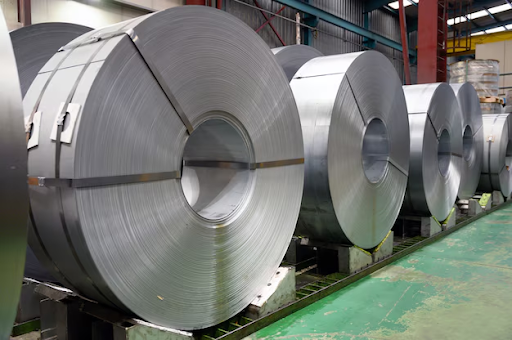
Picture Credit: www.freepik.com
42